
Why baby daycare in Chestermere Matters for Early Growth and Development
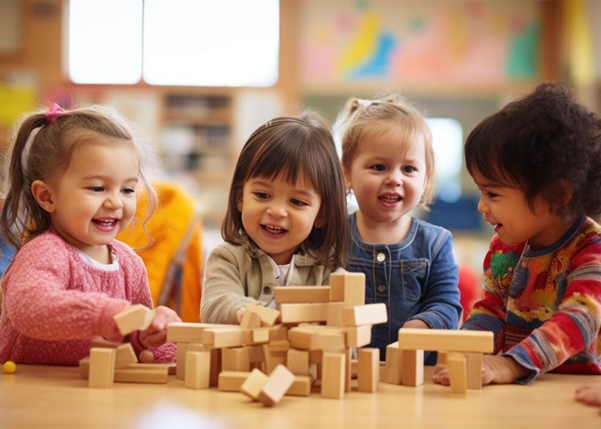
Finding the right baby daycareand quality Early Childhood Education in Chestermere means choosing a safe, nurturing, and play-based environment where children feel emotionally secure while developing essential early skills. Families today look for more than childcare; they look for trusted spaces where learning begins through love, routine, and guided exploration. A strong early learning environment helps children build communication, confidence, emotional awareness, and social abilities during their most important developmental years.
Understanding baby daycare in Chestermere and why it matters
Choosing a baby daycare in Chestermere is one of the earliest and most important decisions a parent makes. At this stage, infants are developing emotional trust, sensory awareness, and early communication skills. A supportive daycare environment helps babies feel safe outside their home while gently introducing them to social settings.
In the first years, consistency matters more than anything. Familiar caregivers, soft routines, and calm environments help babies regulate emotions and build confidence. When children feel secure, they are more open to exploring and learning naturally.
Research in early childhood development shows that responsive caregiving significantly improves long-term emotional stability and cognitive growth. This makes early daycare experiences a strong foundation for lifelong learning.
The role of Early Childhood Education in Chestermere in brain development
High-quality Early Childhood Education in Chestermere focuses on how children learn, not just what they learn. The early years are when the brain forms millions of connections every second, especially through interaction, play, and repetition.
Children benefit most from environments that encourage curiosity rather than pressure. Learning happens through songs, storytelling, hands-on activities, and social play.
Key developmental areas supported include:
● Early language and communication skills
● Emotional recognition and expression
● Problem-solving through play
● Social bonding and teamwork
● Creativity and imagination
A strong early education program ensures that children are not rushed but guided. This builds long-term confidence and academic readiness in a natural way.
Learning through play, routine, and emotional safety
Children learn best when they feel emotionally safe. Predictable routines and warm caregiver interactions help reduce anxiety and build trust.
Play-based learning is central to early education. Through play, children naturally explore cause and effect, develop motor skills, and learn how to interact with others.
Simple daily practices such as group play, storytelling circles, and creative activities help children express themselves freely. Even quiet time is valuable, as it teaches self-regulation and reflection.
Emotional learning is just as important as academic learning. Teaching children to understand feelings early helps them manage frustration, build empathy, and develop resilience.
Building confidence through movement and social interaction
Physical activity plays a major role in early childhood growth. Movement is not just exercise; it is how children understand space, coordination, and control.
In a well-structured early learning environment, children engage in:
● Indoor and outdoor play
● Guided movement activities
● Group games that encourage teamwork
● Creative physical expression like dance
These activities strengthen both physical and cognitive development. When children move freely and safely, they also develop independence and decision-making skills.
Social interaction further enhances confidence. Learning to share, wait, communicate, and cooperate prepares children for school and life beyond early learning.
What parents should look for in a quality daycare environment
Parents searching for baby daycare often prioritize safety, care, and learning quality. However, a strong daycare environment goes beyond basic supervision.
Here are key factors families should consider:
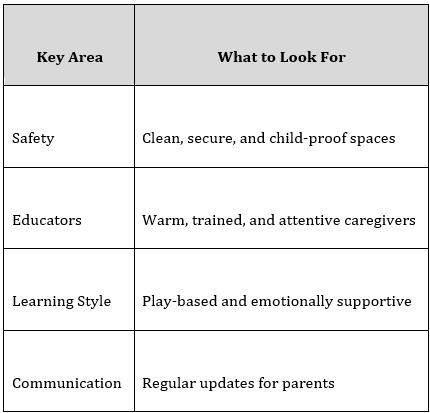
A quality early learning space should feel like a second home where children are both cared for and encouraged to grow.
Parents also benefit from open communication with educators, ensuring they stay connected to their child’s progress and emotional development.
A human-centered approach to early learning
At the heart of strong early education is connection. Children thrive when they feel seen, heard, and valued.
A nurturing environment does not rush learning. Instead, it allows children to grow at their own pace while gently guiding them toward independence.
Educators play an important role as mentors and caregivers. Their patience, understanding, and consistency shape how children experience learning in their early years.
When families and educators work together, children receive the strongest foundation possible for future learning success.
FAQs on baby daycare in Chestermere and Early Learning
1. What is the right age to start baby daycare in Chestermere?
Most children can begin daycare as early as infancy depending on family needs. Early entry helps babies adjust to routines, develop emotional trust, and become comfortable in social environments. A gentle transition ensures they feel safe and supported from the beginning.
2. What is included in Early Childhood Education in Chestermere programs?
These programs usually include play-based learning, language development, emotional growth activities, sensory exploration, and social interaction. The focus is on helping children learn naturally through guided experiences rather than structured academic pressure.
3. How does daycare support emotional development?
Daycare helps children understand emotions through daily interactions, routines, and caregiver support. They learn to express feelings, manage frustration, and build empathy. This emotional foundation is essential for long-term confidence and mental well-being.
4. Why is play important in early learning?
Play allows children to explore the world, solve problems, and develop creativity. It also builds communication skills and teamwork. Through play, children naturally absorb knowledge without stress or pressure.
5. How can parents stay involved in their child’s daycare journey?
Parents stay involved through regular updates, communication with educators, and participation in activities when possible. This partnership ensures consistency between home and daycare, which supports stronger emotional development.
Final Thoughts
Early childhood is a defining stage that shapes how children think, feel, and connect with the world. Choosing the right baby daycare and a strong Early Childhood Education programin Chestermereensures children grow in a safe, supportive, and inspiring environment.
When care, learning, and emotional support come together, children develop not just academic readiness but also confidence, kindness, and curiosity that last a lifetime.
